John Truby's 22 steps, explained
A story is an organic chain of desire, opposition, revelation and decision, rooted in the hero's weakness and need, and closed by a self-revelation. Truby gives no page targets; the positions here are typical placements to help layout and checks, not rules.
John Truby's The Anatomy of Story (2007) treats a story as one connected system rather than a row of acts. Its 22 building blocks run from the hero's weakness and need, through desire, opponent, plan and battle, to a self-revelation and a new equilibrium. Each step causes the next.
Truby gives no page targets. The positions shown here are typical placements, useful for spotting a step that is missing or far from where readers expect it. They are not rules.
The 22 beats at a glance
| # | Beat | Usually at | Window | Part |
|---|---|---|---|---|
| 1 | Self-revelation, need and desire | Throughout | – | – |
| 2 | Ghost and story world | 0% | 0–15% | Beginning |
| 3 | Weakness and need (key) | 3% | 0–15% | Beginning |
| 4 | Inciting event | 10% | 3–20% | Beginning |
| 5 | Desire (key) | 12% | 5–25% | Beginning |
| 6 | Ally or allies | 15% | 3–40% | Beginning |
| 7 | Opponent and mystery (key) | 15% | 3–40% | Beginning |
| 8 | Fake-ally opponent | 25% | 10–55% | Middle |
| 9 | First revelation and decision | 25% | 15–40% | Middle |
| 10 | Plan (key) | 28% | 15–45% | Middle |
| 11 | Opponent's plan and main counterattack | 40% | 25–65% | Middle |
| 12 | Drive | 50% | 30–70% | Middle |
| 13 | Attack by ally | 55% | 35–80% | Middle |
| 14 | Apparent defeat | 70% | 50–82% | Middle |
| 15 | Second revelation and decision | 72% | 50–85% | Middle |
| 16 | Audience revelation | 75% | 30–92% | End |
| 17 | Third revelation and decision | 80% | 65–92% | End |
| 18 | Gate, gauntlet, visit to death | 85% | 70–93% | End |
| 19 | Battle (key) | 90% | 78–97% | End |
| 20 | Self-revelation (key) | 92% | 80–99% | End |
| 21 | Moral decision | 94% | 82–99% | End |
| 22 | New equilibrium (key) | 99% | 92–100% | End |
Key beats (amber on the timeline above): Weakness and need, Desire, Opponent and mystery, Plan, Battle, Self-revelation and New equilibrium. If one of these is missing, the story usually feels broken rather than just thin.
Every beat, explained
Self-revelation, need and desire1 of 22 · Inner arc
The design step: decide the end point of the hero's change before writing, so the need at the start and the self-revelation at the end are two halves of one arc.
What does the hero understand at the end that they could not see at the start?
In Hansel and Gretel:Gretel must act for herselfGhost and story world2 of 22 · Story world & backstory
An event from the past that still haunts the hero, and the world (place, society, rules) that expresses and tightens their weakness.
What happened before the story that still holds the hero back, and what about their world keeps them stuck?
In Hansel and Gretel:FamineWeakness and need3 of 22 · Inner arcKey beat
The flaw that is ruining the hero's life, and what they must learn or overcome to live better. A moral weakness also hurts other people.
What is wrong with the hero's life, and what must they fix in themselves?
In Hansel and Gretel:Gretel despairsInciting event4 of 22 · Desire line
An outside event that pushes the hero into action and sets the desire in motion.
What happens that makes the hero want something and start moving?
In Hansel and Gretel:Leave the children in the forestat 4%Desire5 of 22 · Desire lineKey beat
The concrete goal the hero pursues. It is the spine of the plot and is different from the need.
What specific thing does the hero set out to get?
In Hansel and Gretel:Get homeAlly or allies6 of 22 · Character web
Characters who help the hero toward the goal, and who often voice the other side of the theme.
Who helps the hero, and what do they believe?
In Hansel and Gretel:The white duckOpponent and mystery7 of 22 · Character webKey beat
The character who wants the same thing as the hero and attacks their weakness most effectively. A mystery (something hidden) can extend opposition.
Who competes with the hero for the same goal, and what is hidden from the hero?
In Hansel and Gretel:The stepmotherFake-ally opponent8 of 22 · Character web
Someone who seems to be on the hero's side but works against them (or the reverse: a fake opponent who is really an ally).
Who is not what they seem?
In Hansel and Gretel:The fatherFirst revelation and decision9 of 22 · Revelations
The hero learns something that changes the situation, decides on a new course, and their desire and motive shift.
What does the hero learn that makes them change direction?
In Hansel and Gretel:The children overhearat 9%, outside the windowPlan10 of 22 · Desire lineKey beat
The set of guidelines or steps the hero will use to beat the opponent and reach the goal.
How does the hero intend to win?
In Hansel and Gretel:Hansel gathers pebblesat 12%, outside the windowOpponent's plan and main counterattack11 of 22 · Character web
The opponent's own strategy, and the main line of attack they launch against the hero.
What is the opponent doing to win, and how do they strike back?
In Hansel and Gretel:Take them fartherat 33%Drive12 of 22 · Desire line
The series of actions the hero takes to win. Under pressure, the hero often turns to improper or immoral means.
What does the hero keep doing to get what they want, and where do they cross a line?
In Hansel and Gretel:A trail of crumbsat 40%Attack by ally13 of 22 · Character web
An ally criticises the hero's methods, putting extra pressure on them and voicing the moral argument.
Which ally confronts the hero about how they are behaving?
Apparent defeat14 of 22 · Desire line
The hero seems to have lost the goal for good. Their lowest point.
When does it look like everything is lost?
In Hansel and Gretel:Gretel's despairat 79%Second revelation and decision15 of 22 · Revelations
A new discovery makes the hero more determined than ever, an obsessive drive. Desire and motive change again.
What does the hero discover that makes them push harder?
Audience revelation16 of 22 · Revelations
The reader learns something important that the hero does not know yet, often the true identity of a fake ally.
What does the reader learn before the hero does?
In Hansel and Gretel:She is a witchat 65%Third revelation and decision17 of 22 · Revelations
The hero learns what they need to win, and decides to go into the final conflict.
What finally shows the hero how to win?
In Hansel and Gretel:Gretel sees the trapat 83%Gate, gauntlet, visit to death18 of 22 · Desire line
The space narrows. The hero passes through a narrow passage under attack and faces their own mortality.
Where does the hero face death or the end of everything before the final conflict?
In Hansel and Gretel:The ovenat 82%Battle19 of 22 · Desire lineKey beat
The final conflict that decides who gets the goal. It need not be violent, and it brings out who the hero really is.
Where do hero and opponent finally clash over the goal?
In Hansel and Gretel:Gretel pushesat 85%Self-revelation20 of 22 · Inner arcKey beat
The hero sees the truth about themselves, often painfully. It is the payoff of the need set up at the start.
What does the hero finally see about themselves?
In Hansel and Gretel:"We are saved!"at 87%Moral decision21 of 22 · Inner arc
The hero chooses how to act, proving whether they have changed and taking a side in the story's moral argument.
What choice shows that the hero has changed?
In Hansel and Gretel:One at a timeat 94%New equilibrium22 of 22 · Inner arcKey beat
Desire and need return to normal, but the hero is at a higher (or, in a tragedy, lower) level than at the start.
What is the hero's life like after the change?
In Hansel and Gretel:Perfect happinessat 99%See it in a real story
These stories are mapped in Dramagi moment by moment. Here is where each Truby's 22 steps beat falls in them.
Hansel and Gretel
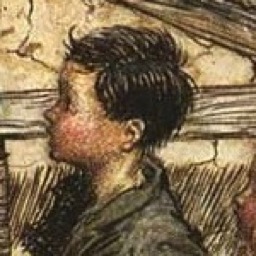 Hansel
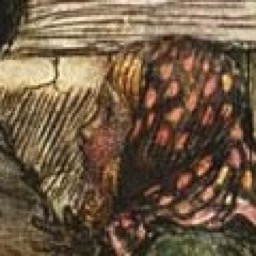 Gretel
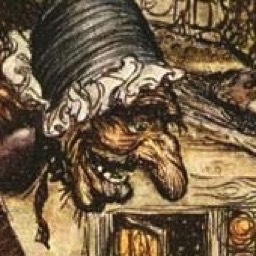 The witch
Inside its usual windowOutside it
| Beat | Moment | At |
|---|---|---|
| 1. Self-revelation, need and desire | Gretel must act for herself | – |
| 2. Ghost and story world | Famine | – |
| 2. Ghost and story world | The forest | – |
| 3. Weakness and need | Gretel despairs | – |
| 3. Weakness and need | Gretel must act for herself | – |
| 4. Inciting event | Leave the children in the forest | 4% |
| 5. Desire | Get home | – |
| 6. Ally or allies | The white duck | – |
| 7. Opponent and mystery | The stepmother | – |
| 7. Opponent and mystery | The witch | – |
| 8. Fake-ally opponent | The father | – |
| 8. Fake-ally opponent | The kind old woman | 62% |
| 9. First revelation and decision | The children overhear | 9% |
| 10. Plan | Hansel gathers pebbles | 12% |
| 11. Opponent's plan and main counterattack | Take them farther | 33% |
| 11. Opponent's plan and main counterattack | Hansel in the cage | 70% |
| 12. Drive | A trail of crumbs | 40% |
| 12. Drive | The bone trick | 75% |
| 14. Apparent defeat | Gretel's despair | 79% |
| 16. Audience revelation | She is a witch | 65% |
| 17. Third revelation and decision | Gretel sees the trap | 83% |
| 18. Gate, gauntlet, visit to death | The oven | 82% |
| 19. Battle | Gretel pushes | 85% |
| 20. Self-revelation | "We are saved!" | 87% |
| 21. Moral decision | One at a time | 94% |
| 22. New equilibrium | Perfect happiness | 99% |
Not mapped in this story: Attack by ally and Second revelation and decision.
The Sunken Bell
Inside its usual windowOutside it
| Beat | Moment | At |
|---|---|---|
| 2. Ghost and story world | The pact at the river | – |
| 3. Weakness and need | Trusts any voice that promises rescue | – |
| 9. First revelation and decision | Sefa answers the voice | 30% |
| 12. Drive | Sefa keeps the voice secret | 66% |
| 20. Self-revelation | Sefa's patron is the bell | 83% |
| 21. Moral decision | Ring the bell to bring Vell back | 93% |
Not mapped in this story: Self-revelation, need and desire, Inciting event, Desire, Ally or allies, Opponent and mystery, Fake-ally opponent, Plan, Opponent's plan and main counterattack, Attack by ally, Apparent defeat, Second revelation and decision, Audience revelation, Third revelation and decision, Gate, gauntlet, visit to death, Battle and New equilibrium.
In Dramagi
In Dramagi a framework is a lens laid over your story's own map of moments. With Truby's 22 steps as the lens, its parts (Beginning, Middle and End) shade the timeline, and each beat sits on the ruler where it happens in your story. Beats that haven't been found yet are drawn dashed.
- Missing beat: a beat with a usual position that no moment fills yet. Its question is shown so you can look for it.
- Beat out of place: a beat that lands outside its usual window, for example "At 31%, usually 5–15%".
- Switch lenses at any time. The story's moments and threads stay the same; only the lens changes.
Questions
How many beats are in Truby's 22 steps?
22, grouped into 3 parts: Beginning, Middle and End.
Where does the weakness and need go in Truby's 22 steps?
Around 3% of the way through, usually between 0–15%. The flaw that is ruining the hero's life, and what they must learn or overcome to live better. A moral weakness also hurts other people.
Where does the desire go in Truby's 22 steps?
Around 12% of the way through, usually between 5–25%. The concrete goal the hero pursues. It is the spine of the plot and is different from the need.
Where does the opponent and mystery go in Truby's 22 steps?
Around 15% of the way through, usually between 3–40%. The character who wants the same thing as the hero and attacks their weakness most effectively. A mystery (something hidden) can extend opposition.
Where does the plan go in Truby's 22 steps?
Around 28% of the way through, usually between 15–45%. The set of guidelines or steps the hero will use to beat the opponent and reach the goal.
Where does the battle go in Truby's 22 steps?
Around 90% of the way through, usually between 78–97%. The final conflict that decides who gets the goal. It need not be violent, and it brings out who the hero really is.
Where does the self-revelation go in Truby's 22 steps?
Around 92% of the way through, usually between 80–99%. The hero sees the truth about themselves, often painfully. It is the payoff of the need set up at the start.
Where does the new equilibrium go in Truby's 22 steps?
Around 99% of the way through, usually between 92–100%. Desire and need return to normal, but the hero is at a higher (or, in a tragedy, lower) level than at the start.
What are Truby's 7 key steps?
Seven of the 22 steps carry the structure: weakness and need, desire, opponent and mystery, plan, battle, self-revelation and new equilibrium. The other fifteen deepen them.
Does Truby give percentages or page numbers?
No. Truby describes an organic order, not page targets. The windows on this page are typical placements, there to help spot a step that is missing or out of place.