Three-act structure, beat by beat
A beginning, a middle and an end, held together by two turning points. Act 1 sets up the world and the problem, Act 2 is the struggle, Act 3 is the climax and what it leaves behind. The positions are the usual quarter, half, quarter split; they are windows, not rules.
Three acts is the oldest shape in storytelling: Aristotle asked for a beginning, a middle and an end, and Syd Field turned it into a working tool for screenwriters in Screenplay (1979). Act 1 sets up the world and the problem, Act 2 is the struggle, Act 3 is the climax and what it leaves behind.
Two turning points hold the acts together. Plot point 1 (around 25%) pushes the protagonist into the struggle, and plot point 2 (around 75%) is the low point that turns toward the climax. The 9 beats below fill in the rest, each with a window, a plain description and a question to find it in your draft.
The 9 beats at a glance
| # | Beat | Usually at | Window | Part |
|---|---|---|---|---|
| 1 | Setup | 2% | 0–10% | Act 1 · Setup |
| 2 | Inciting incident (key) | 10% | 3–20% | Act 1 · Setup |
| 3 | Plot point 1 (key) | 25% | 20–30% | Act 2 · Confrontation |
| 4 | Rising action | 37% | 25–50% | Act 2 · Confrontation |
| 5 | Midpoint (key) | 50% | 42–58% | Act 2 · Confrontation |
| 6 | Complications | 62% | 50–75% | Act 2 · Confrontation |
| 7 | Plot point 2 (key) | 75% | 68–82% | Act 3 · Resolution |
| 8 | Climax (key) | 88% | 80–97% | Act 3 · Resolution |
| 9 | Resolution | 97% | 90–100% | Act 3 · Resolution |
Key beats (amber on the timeline above): Inciting incident, Plot point 1, Midpoint, Plot point 2 and Climax. If one of these is missing, the story usually feels broken rather than just thin.
Every beat, explained
Setup1 of 9 · Protagonist
The protagonist's ordinary life, what they want and what is missing, shown before anything disturbs it.
What does the reader need to see of the protagonist's life before it changes?
In Hansel and Gretel:A poor wood-cutter's familyat 0%Inciting incident2 of 9 · PlotKey beat
The event that upsets the balance and starts the story's main problem. Without it nothing else would happen.
What event knocks the protagonist's life off balance?
In Hansel and Gretel:Leave the children in the forestat 4%Plot point 13 of 9 · PlotKey beat
The turn that ends Act 1: the protagonist commits, or is forced, into the struggle, and there is no going back.
At what moment can the protagonist no longer return to how things were?
In Hansel and Gretel:Left by the fireat 22%Rising action4 of 9 · Plot
Attempts, obstacles and small wins and losses as the protagonist goes after the goal. Each one should raise the pressure.
What does the protagonist try first, and what pushes back?
In Hansel and Gretel:Following the pebblesat 28%Midpoint5 of 9 · PlotKey beat
A reversal or discovery in the middle of the story that changes what the struggle is about, often a false victory or a false defeat.
What happens halfway that changes the shape of the fight?
In Hansel and Gretel:Eating the houseat 56%Complications6 of 9 · Plot
After the midpoint the opposition closes in. Plans fail, the cost rises and the protagonist's weaknesses start to matter.
How does the situation get worse after the midpoint?
In Hansel and Gretel:Hansel in the cageat 70%Plot point 27 of 9 · ProtagonistKey beat
The low point that ends Act 2. Everything seems lost, and out of it comes the insight or the choice that leads to the climax.
Where is the protagonist at their lowest, and what gets them up again?
In Hansel and Gretel:Gretel's despairat 79%Climax8 of 9 · PlotKey beat
The final confrontation, where the main problem is decided one way or the other by what the protagonist does.
In which scene is the story's question finally answered?
In Hansel and Gretel:Gretel pushesat 85%Resolution9 of 9 · Protagonist
The new normal after the climax: what has changed in the protagonist and their world.
What does life look like once the struggle is over?
In Hansel and Gretel:Perfect happinessat 99%See it in a real story
These stories are mapped in Dramagi moment by moment. Here is where each Three-act structure beat falls in them.
Hansel and Gretel
 Hansel
 Gretel
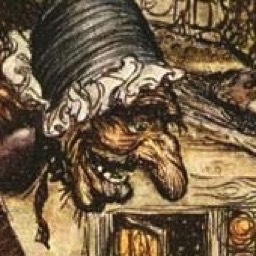 The witch
Inside its usual windowOutside it
| Beat | Moment | At |
|---|---|---|
| 1. Setup | A poor wood-cutter's family | 0% |
| 2. Inciting incident | Leave the children in the forest | 4% |
| 3. Plot point 1 | Left by the fire | 22% |
| 4. Rising action | Following the pebbles | 28% |
| 4. Rising action | A trail of crumbs | 40% |
| 5. Midpoint | Eating the house | 56% |
| 6. Complications | Hansel in the cage | 70% |
| 6. Complications | The bone trick | 75% |
| 7. Plot point 2 | Gretel's despair | 79% |
| 8. Climax | Gretel pushes | 85% |
| 9. Resolution | Perfect happiness | 99% |
In Dramagi
In Dramagi a framework is a lens laid over your story's own map of moments. With Three-act structure as the lens, its parts (Act 1 · Setup, Act 2 · Confrontation and Act 3 · Resolution) shade the timeline, and each beat sits on the ruler where it happens in your story. Beats that haven't been found yet are drawn dashed.
- Missing beat: a beat with a usual position that no moment fills yet. Its question is shown so you can look for it.
- Beat out of place: a beat that lands outside its usual window, for example "At 31%, usually 5–15%".
- Switch lenses at any time. The story's moments and threads stay the same; only the lens changes.
Questions
How many beats are in Three-act structure?
9, grouped into 3 parts: Act 1 · Setup, Act 2 · Confrontation and Act 3 · Resolution.
Where does the inciting incident go in Three-act structure?
Around 10% of the way through, usually between 3–20%. The event that upsets the balance and starts the story's main problem. Without it nothing else would happen.
Where does the plot point 1 go in Three-act structure?
Around 25% of the way through, usually between 20–30%. The turn that ends Act 1: the protagonist commits, or is forced, into the struggle, and there is no going back.
Where does the midpoint go in Three-act structure?
Around 50% of the way through, usually between 42–58%. A reversal or discovery in the middle of the story that changes what the struggle is about, often a false victory or a false defeat.
Where does the plot point 2 go in Three-act structure?
Around 75% of the way through, usually between 68–82%. The low point that ends Act 2. Everything seems lost, and out of it comes the insight or the choice that leads to the climax.
Where does the climax go in Three-act structure?
Around 88% of the way through, usually between 80–97%. The final confrontation, where the main problem is decided one way or the other by what the protagonist does.
What is three-act structure?
A way of dividing a story into setup (about the first quarter), confrontation (the middle half) and resolution (the last quarter), joined by two turning points. A beginning, a middle and an end, held together by two turning points.
What is the difference between an inciting incident and plot point 1?
The inciting incident starts the problem; plot point 1 is the moment the protagonist commits to it, or is forced in, and can't go back. The first usually comes around 10%, the second around 25%.