Dan Harmon's Story Circle, step by step
A story as a circle: a character in a comfortable place wants something, crosses into the unfamiliar, gets what they wanted, pays for it, and comes home changed. The top half is order, the bottom half chaos. Harmon gives no page targets; the positions follow the eight steps round the circle.
Dan Harmon, the creator of Community and co-creator of Rick and Morty, drew his Story Circle as a simpler Hero's Journey for TV writers. A character in a comfortable place wants something, goes into the unfamiliar, gets it, pays for it, and comes home changed.
The circle has a top half (order, the familiar world) and a bottom half (chaos, the unfamiliar). Harmon gives no page targets; the positions here follow the 8 steps evenly round the circle, which is where they tend to fall in practice.
The 8 beats at a glance
| # | Beat | Usually at | Window | Part |
|---|---|---|---|---|
| 1 | You (key) | 2% | 0–10% | Order · the familiar |
| 2 | Need (key) | 10% | 3–20% | Order · the familiar |
| 3 | Go (key) | 25% | 18–32% | Chaos · the unfamiliar |
| 4 | Search | 37% | 28–48% | Chaos · the unfamiliar |
| 5 | Find (key) | 50% | 42–60% | Chaos · the unfamiliar |
| 6 | Take (key) | 62% | 52–74% | Chaos · the unfamiliar |
| 7 | Return | 80% | 68–92% | Order · changed |
| 8 | Change (key) | 95% | 85–100% | Order · changed |
Key beats (amber on the timeline above): You, Need, Go, Find, Take and Change. If one of these is missing, the story usually feels broken rather than just thin.
Every beat, explained
You1 of 8 · The characterKey beat
A character in a zone of comfort: the familiar situation the story starts from.
Who is the character, and where are they comfortable?
In Hansel and Gretel:A poor wood-cutter's familyat 0%Need2 of 8 · The characterKey beat
But they want something. A desire or lack pulls them toward change.
What does the character want badly enough to leave comfort for?
In Hansel and Gretel:Hansel gathers pebblesat 12%Go3 of 8 · What happensKey beat
They enter an unfamiliar situation, where the old rules no longer work.
When does the character cross into the unknown?
In Hansel and Gretel:Left by the fireat 22%Search4 of 8 · What happens
They adapt to it: trial and error, new allies, losing old habits.
How does the character learn to survive the new situation?
In Hansel and Gretel:A trail of crumbsat 40%Find5 of 8 · What happensKey beat
They get what they wanted, or think they do. The halfway point of the circle.
Where does the character get what they were after?
In Hansel and Gretel:Eating the houseat 56%Take6 of 8 · What happensKey beat
They pay a heavy price for it. Getting what you want costs something.
What does getting it cost the character?
In Hansel and Gretel:Hansel in the cageat 70%Return7 of 8 · What happens
They go back to the familiar situation, carrying what they found and what it cost.
How does the character get back to where they started?
In Hansel and Gretel:The great waterat 91%Change8 of 8 · The characterKey beat
Having changed. The familiar place is the same; the character is not.
How is the character different from the one at the start?
In Hansel and Gretel:Perfect happinessat 99%See it in a real story
These stories are mapped in Dramagi moment by moment. Here is where each Dan Harmon's Story Circle beat falls in them.
Hansel and Gretel
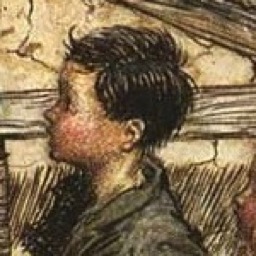 Hansel
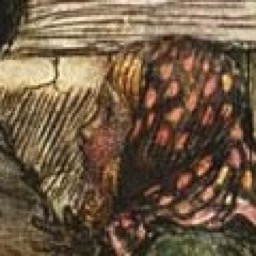 Gretel
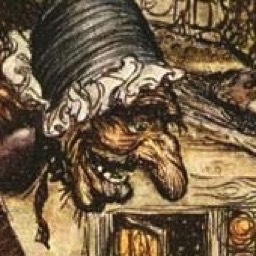 The witch
Inside its usual windowOutside it
| Beat | Moment | At |
|---|---|---|
| 1. You | A poor wood-cutter's family | 0% |
| 2. Need | Hansel gathers pebbles | 12% |
| 3. Go | Left by the fire | 22% |
| 4. Search | A trail of crumbs | 40% |
| 4. Search | The birds ate the crumbs | 48% |
| 5. Find | Eating the house | 56% |
| 6. Take | Hansel in the cage | 70% |
| 7. Return | The great water | 91% |
| 8. Change | Perfect happiness | 99% |
In Dramagi
In Dramagi a framework is a lens laid over your story's own map of moments. With Dan Harmon's Story Circle as the lens, its parts (Order · the familiar, Chaos · the unfamiliar and Order · changed) shade the timeline, and each beat sits on the ruler where it happens in your story. Beats that haven't been found yet are drawn dashed.
- Missing beat: a beat with a usual position that no moment fills yet. Its question is shown so you can look for it.
- Beat out of place: a beat that lands outside its usual window, for example "At 31%, usually 5–15%".
- Switch lenses at any time. The story's moments and threads stay the same; only the lens changes.
Questions
How many beats are in Dan Harmon's Story Circle?
8, grouped into 3 parts: Order · the familiar, Chaos · the unfamiliar and Order · changed.
Where does the you go in Dan Harmon's Story Circle?
Around 2% of the way through, usually between 0–10%. A character in a zone of comfort: the familiar situation the story starts from.
Where does the need go in Dan Harmon's Story Circle?
Around 10% of the way through, usually between 3–20%. But they want something. A desire or lack pulls them toward change.
Where does the go go in Dan Harmon's Story Circle?
Around 25% of the way through, usually between 18–32%. They enter an unfamiliar situation, where the old rules no longer work.
Where does the find go in Dan Harmon's Story Circle?
Around 50% of the way through, usually between 42–60%. They get what they wanted, or think they do. The halfway point of the circle.
Where does the take go in Dan Harmon's Story Circle?
Around 62% of the way through, usually between 52–74%. They pay a heavy price for it. Getting what you want costs something.
Where does the change go in Dan Harmon's Story Circle?
Around 95% of the way through, usually between 85–100%. Having changed. The familiar place is the same; the character is not.
What are the 8 steps of the Story Circle?
You, Need, Go, Search, Find, Take, Return and Change: a character is comfortable, wants something, enters an unfamiliar situation, adapts, gets what they wanted, pays for it, returns, and has changed.
How is the Story Circle different from the Hero's Journey?
It's a compressed version: eight steps instead of twelve, built to repeat every episode. It cares less about mentors and thresholds and more about the cost of getting what you want.